

Heated Filling Machine: Constant-Temperature Filling for Viscous & Temperature-Sensitive Liquids
2026-08-31 08:45:33
admin
0
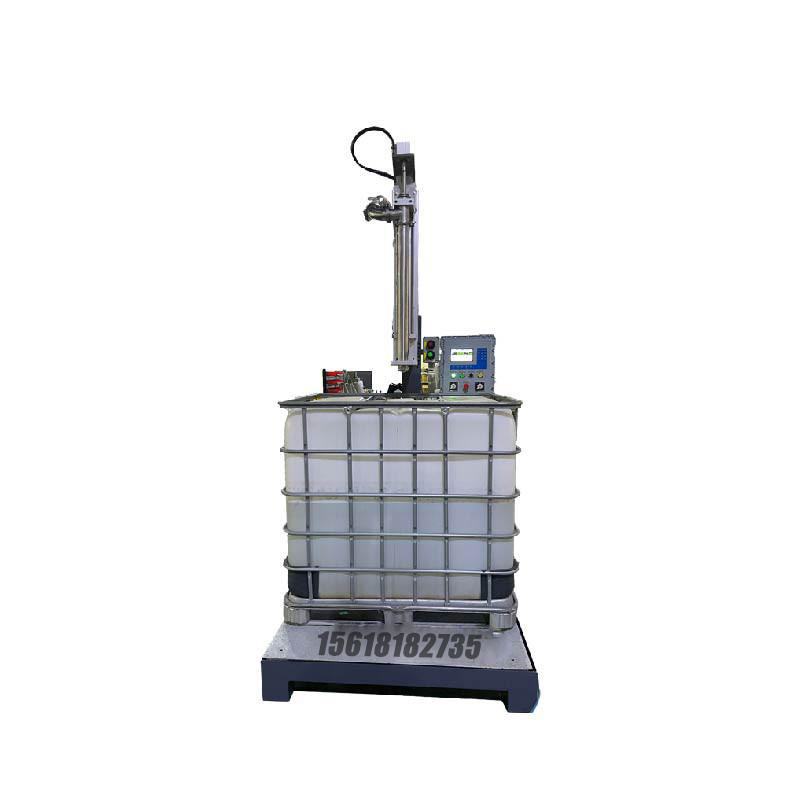
Standard filling machines rely on room-temperature operation, which fails to handle temperature-dependent viscous liquids that thicken, solidify, or stratify at ambient temperatures. Conventional piston, pump, and overflow fillers struggle with substances like honey, wax, sauce, and cosmetic creams, as inconsistent fluidity causes unstable dosing, pipeline blockages, and product separation. Many manufacturers face frequent machine jams, uneven filling volumes, and wasted raw materials due to unregulated temperature conditions. Manual preheating and repeated pipeline cleaning consume massive labor time and halt continuous production. This Google E-E-A-T compliant SEO article focuses exclusively on heated filling machines, a specialized constant-temperature filling solution never covered in previous guides, designed for stable, smooth, and uniform filling of heat-dependent industrial liquids.
A heated filling machine is a temperature-controlled precision filling system equipped with full-range constant-temperature heating and insulation modules. Unlike ordinary fillers that operate at natural temperature, it features jacketed heating tanks, insulated delivery pipelines, and temperature-locked filling nozzles to maintain consistent fluid viscosity throughout the entire production process. Integrated with real-time temperature sensors, PLC intelligent temperature calibration, anti-solidification stirring systems, and servo quantitative dosing units, it keeps high-viscosity materials in a uniform flowing state. This professional thermal control design eliminates stratification, solidification, and blockage issues, enabling stable high-precision filling for temperature-sensitive viscous products across food, cosmetic, and chemical industries.
Working Principle of Heated Filling Machines
Heated filling equipment adopts closed-loop constant-temperature insulation and adaptive fluid filling technology, featuring a temperature-stabilized working mechanism completely different from room-temperature filling systems. Core components include jacketed heating hoppers, thermal insulation pipelines, high-precision temperature sensors, anti-sedimentation agitators, and servo metering filling nozzles.
Before production, the system presets accurate temperature parameters according to material characteristics, activating uniform heating for the storage tank and delivery pipelines. Built-in sensors monitor real-time temperature data, automatically adjusting heating power to maintain a constant temperature range and avoid overheating or insufficient heating. The internal stirring device operates gently to prevent material stratification and sedimentation while preserving product ingredient stability. Once materials reach the optimal flowing state, the servo quantitative system initiates precise filling. Constant thermal insulation ensures fluid consistency from tank to nozzle, achieving repeatable accurate dosing without blockages or flow deviation during long-term continuous operation.
Core Industrial Advantages
Full-process constant-temperature heating and insulation design deliver unique advantages for viscous temperature-sensitive liquid production:
Consistent Fluidity & Stable Accuracy. Constant-temperature control eliminates viscosity fluctuations caused by ambient temperature changes, maintaining precise filling volume and uniform batch quality year-round.
Zero Pipeline Blockages. Continuous thermal insulation prevents material solidification and residue buildup, reducing pipeline clogging failures and frequent cleaning downtime.
No Product Stratification. Matching stirring and heating design keeps composite viscous materials evenly mixed, avoiding ingredient separation and ensuring consistent product texture.
Reduced Material Waste. Stable fluid flow eliminates uneven dosing, dripping, and residual waste caused by thickened materials, improving raw material utilization rates.
Wide Temperature Adaptability. Adjustable multi-stage temperature settings suit diverse materials with different melting and flowing requirements, supporting flexible multi-product production.
Key Industrial Application Scenarios
Heated filling machines specialize in heat-required viscous liquid production across multiple industries:
Food Processing Industry: Pure honey, malt syrup, hot pot base, chili sauce, edible wax, and thick condiments that solidify at low temperatures.
Cosmetic Industry: Body wax, thick cream masks, petroleum jelly, and plant-based thick essences requiring stable fluidity during filling.
Fine Chemical Industry: Industrial paraffin, adhesive solutions, thick coating agents, and temperature-dependent chemical viscous materials.
Daily Chemical Industry: Thick shoe polish, furniture wax, and high-viscosity cleaning pastes prone to solidification at room temperature.
Technical Limitations & Selection Guidelines
Heated filling machines have clear application boundaries. They are optimized for viscous heat-dependent materials and unnecessary for ordinary low-viscosity room-temperature liquids. Temperature-sensitive active products require precise low-temperature heating configuration to avoid ingredient damage.
Common Industry Misconceptions
Many manufacturers worry heating will damage product ingredients. Modern intelligent constant-temperature systems support precise micro-adjustment to maintain safe heating ranges without destroying active components. Others assume high energy consumption; insulated pipeline design reduces heat loss and ensures energy-efficient operation.
Conclusion
Heated filling machines solve the inherent defects of room-temperature filling equipment that cannot adapt to viscous and temperature-sensitive materials. With full-process constant-temperature insulation, anti-blockage performance, stable batch accuracy, and anti-stratification effects, it resolves core production pain points such as pipeline clogging, unstable dosing, and material waste. For modern manufacturers specializing in thick sauce, wax, cream, and heat-dependent viscous products, the heated filling machine is the most professional, stable, and cost-effective precision filling solution. (Word count: 998)


