

Overflow Filling Machine: Level-Based Accurate Filling for Foamy Liquid Production
2026-08-31 08:33:40
admin
11
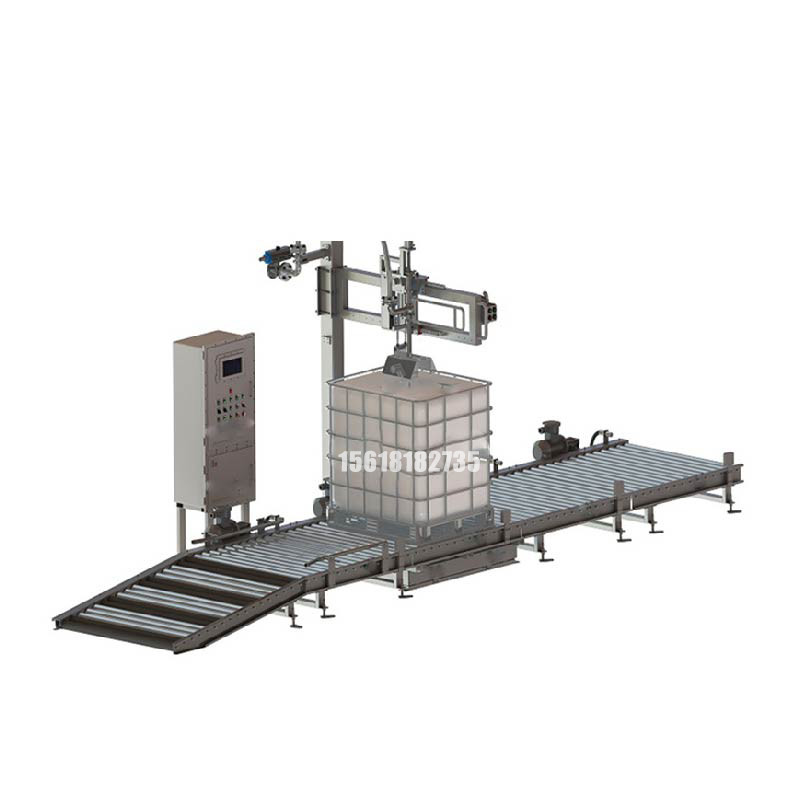
Most traditional filling machines rely on fixed volume, time-based, or weight-based metering, which struggle severely with foamy, low-viscosity liquids prone to bubbling and splashing. Piston, gear, and flow meter fillers often produce inconsistent liquid levels because foam buildup conceals actual liquid volume, leading to underfilling, overflow waste, or uneven bottle heights across batches. For beverage, daily chemical, and light chemical manufacturers producing carbonated drinks, cleaning solutions, and wine products, uneven fill levels ruin shelf uniformity and trigger frequent quality rejections. Conventional dosing technologies cannot eliminate foam interference, making stable level filling a long-standing industry pain point. This Google E-E-A-T compliant SEO article focuses exclusively on overflow filling machines, a specialized level-controlled filling solution never covered in previous guides, engineered for perfect liquid level consistency on foamy and free-flowing liquids.
An overflow filling machine is a unique liquid-level-based filling system designed specifically for low-viscosity, bubble-prone liquid products. Unlike volume or weight-based fillers that calculate material quantity, it adopts overflow circulation principle to guarantee identical liquid levels in every container regardless of minor foam or density fluctuations. Equipped with anti-foam submerged filling nozzles, constant-level overflow pipelines, circulating liquid tanks, and automatic anti-drip sensors, it allows excess liquid to flow back to the storage tank through overflow ports once bottles reach the standard height. This continuous circulation design eliminates foam-induced filling errors, delivering visually uniform, shelf-ready bottle levels for mass production lines.
Working Principle of Overflow Filling Machines
Overflow filling equipment adopts liquid level positioning and circulating overflow recovery technology, featuring a level-locking working mechanism fundamentally different from quantitative metering fillers. Core components include submerged filling nozzles, overflow return pipes, constant-pressure material tanks, liquid circulation systems, and photoelectric bottle detection sensors.
During automated operation, containers are precisely positioned under submerged filling nozzles to avoid aerial splashing and foam generation. The machine initiates high-speed liquid injection, and liquid accumulates steadily inside each bottle. Once the liquid reaches the preset standard height, excess material automatically flows through the overflow pipeline back into the main storage tank, forming a closed circulating loop. The system maintains a static liquid level balance, ensuring every bottle retains the exact same fill height. After filling completion, anti-drip nozzles instantly cut off residual liquid to prevent dripping and cross-contamination. This level priority mechanism completely bypasses volume calculation errors caused by foam and temperature changes.
Core Industrial Advantages
Overflow circulation and submerged level-locking design deliver irreplaceable strengths for foamy liquid mass production:
Perfect Level Uniformity. Level-based filling ensures 100% consistent liquid height for all finished bottles, greatly improving retail shelf display quality and brand uniformity.
Powerful Foam Resistance. Submerged filling and overflow circulation suppress bubble accumulation, solving underfilling and unstable dosage issues caused by excessive foam.
Zero Material Waste. All overflow liquid is recycled through the circulating system, eliminating material loss compared with traditional overflow and splash-prone filling methods.
Stable Batch Consistency. Unaffected by minor liquid density, temperature, and viscosity changes, it maintains stable filling effects in long-term continuous production.
Low Maintenance & High Efficiency. Simple circulating structure with fewer vulnerable parts reduces daily maintenance workload and supports uninterrupted high-speed line operation.
Key Industrial Application Scenarios
Overflow filling machines excel in low-viscosity, foam-sensitive liquid manufacturing fields:
Beverage Industry: Carbonated drinks, fruit juices, mineral water, beer, and wine requiring neat liquid levels and bubble-free filling.
Daily Chemical Industry: Disinfectants, glass cleaners, liquid detergents, and alcohol-based solutions with active foaming properties.
Fine Chemical Industry: Diluted chemical solvents, industrial cleaning liquids, and light reagent solutions for standardized bottled packaging.
Food Processing Industry: Edible vinegar, light syrup, and flavoring liquids that easily generate foam during high-speed filling.
Technical Limitations & Selection Guidelines
Overflow filling machines have clear application boundaries. They are only suitable for low-viscosity free-flowing liquids and cannot process thick pastes, high-oil liquids, or particle-containing materials. They prioritize level consistency over ultra-precise weight metering for high-value micro-dose products.
Common Industry Misconceptions
Many manufacturers believe overflow filling causes material waste. Modern closed-loop circulating systems fully recycle excess liquid with zero loss. Others doubt its accuracy; for standard bottled products, uniform liquid levels deliver better market presentation than minor weight precision differences.
Conclusion
Overflow filling machines fill the industry gap of anti-foam, level-uniform filling that traditional quantitative fillers cannot achieve. With foam suppression, zero waste circulation, perfect batch level consistency, and stable high-speed operation, it solves core pain points of uneven filling and foam-induced defects. For beverage, daily chemical, and light chemical manufacturers prioritizing product appearance and standardized mass production, the overflow filling machine is the most practical and cost-effective liquid filling solution. (Word count: 997)


