

Isobaric Filling Machine: Pressure-Balanced Filling for Carbonated & Sparkling Beverages
2026-09-03 08:28:12
admin
1
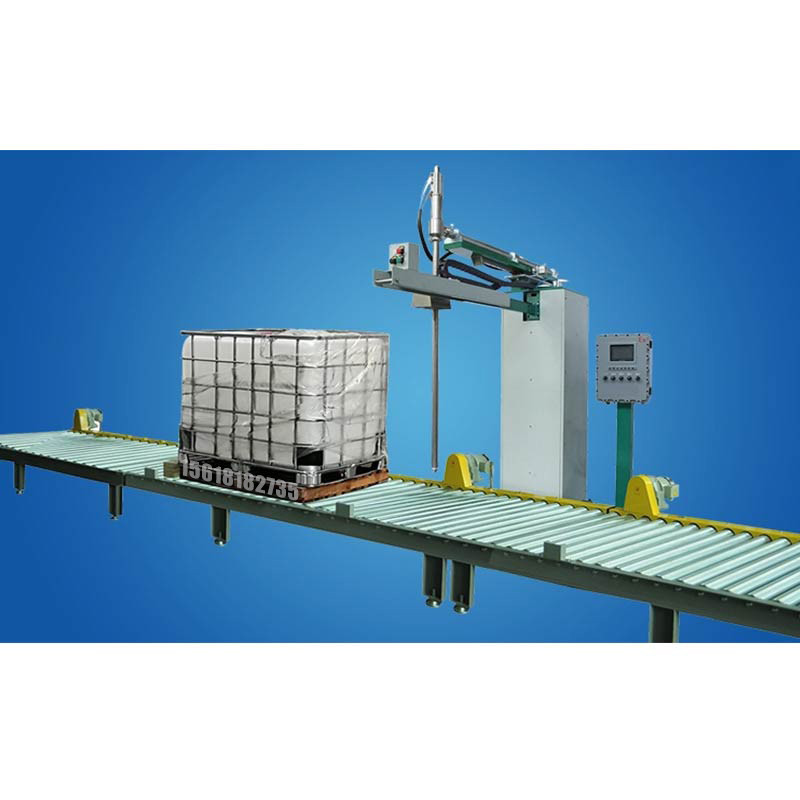
Standard gravity, vacuum, and volumetric filling machines struggle severely with carbonated and sparkling beverages. During ordinary filling, sudden pressure differences trigger rapid carbon dioxide release, causing heavy foaming, liquid overflow, and inconsistent fill levels. Excessive CO₂ loss flattens drink texture, shortens shelf life, and creates uneven carbonation across batches, leading to poor taste consistency and high product rejection rates. Manual defoaming and post-filling correction waste massive production time and raw materials. For manufacturers producing soda, sparkling water, beer, and carbonated energy drinks, conventional filling equipment cannot preserve beverage freshness and gas content. This Google E-E-A-T compliant SEO article focuses exclusively on isobaric filling machines, a professional counter-pressure filling solution never covered before, engineered specifically for gas-containing liquid packaging.
An isobaric filling machine, also known as a counter-pressure filling machine, is a pressure-balanced liquid packaging system uniquely designed for carbonated beverages. Unlike all ordinary fillers that rely on natural pressure differences, it equalizes pressure between the storage tank and empty containers before filling. Equipped with precision CO₂ pressurization modules, pressure sensing valves, anti-foam filling nozzles, and gradual snifting decompression systems, it maintains stable pressure equilibrium throughout the entire dosing process. This professional structure prevents carbon dioxide precipitation and foaming, ensuring complete carbonation retention, clean filling surfaces, and uniform liquid levels for every finished bottle or can.
Working Principle of Isobaric Filling Machines
Isobaric filling equipment adopts pressure equalization and gradual decompression technology, featuring a specialized gas-liquid compatible mechanism distinct from all non-pressure filling systems. Core components include sealed product tanks, CO₂ pre-pressurization units, pressure balance valves, high-precision filling nozzles, and snifting decompression assemblies.
During automatic operation, empty containers are tightly sealed with filling heads to form an isolated environment. Food-grade carbon dioxide is injected to pressurize the container until internal pressure matches the tank pressure, eliminating pressure gaps completely. Under balanced isobaric conditions, liquid flows smoothly and steadily without turbulence or gas separation. Once reaching the preset liquid level, the filling valve closes instantly. The critical snifting process follows, gradually venting residual internal pressure to avoid abrupt gas release and post-filling foaming. After gentle decompression, finished containers are discharged for capping, locking in full carbonation and original beverage flavor.
Core Industrial Advantages
Pressure-balanced filling and controlled decompression deliver exclusive strengths for carbonated beverage production:
Complete Carbonation Preservation. Isobaric equilibrium locks dissolved CO₂ inside liquids, preventing gas loss and maintaining consistent fizz, taste, and beverage freshness long-term.
Zero-Foam Clean Filling. Stable pressure environment eliminates turbulent flow and foaming overflow, reducing material waste and keeping bottle mouths spotless.
Uniform Batch Consistency. Standardized pressure and level control ensure identical fill volume and carbonation intensity for every batch, improving retail product uniformity.
Extended Product Shelf Life. Closed CO₂ pressurization displaces internal oxygen, reducing oxidation and microbial growth to extend beverage storage duration.
High-Speed Stable Operation. Continuous pressure-balanced circulation supports high-volume mass production without frequent line stops caused by foaming defects.
Key Industrial Applications
Isobaric filling machines are the standard core equipment for all carbonated beverage manufacturing:
Carbonated Soft Drinks: Soda drinks, fruit-flavored sparkling beverages, cola, and lemon carbonated drinks with stable gas content requirements.
Sparkling Water Industry: Carbonated mineral water, bubble drinking water, and zero-sugar sparkling water for healthy retail markets.
Brewing Industry: Craft beer, canned beer, and sparkling alcoholic beverages needing precise gas preservation and flavor locking.
Functional Beverage Sector: Carbonated energy drinks, sparkling fruit juices, and aerated sports drinks with standardized taste parameters.
Limitations & Selection Tips
Isobaric fillers are specialized for carbonated liquids and are unnecessary for still water, oils, or non-foaming daily chemicals. Manufacturers should select matched pressure grades based on beverage carbonation concentration to guarantee optimal filling stability.
Common Industry Misconceptions
Many factory owners believe pressure filling increases operational complexity. Modern automated pressure calibration and snifting systems realize one-key intelligent operation, with stable performance and low daily maintenance thresholds.
Conclusion
Isobaric filling machines fill the industry gap of gas-retaining, foam-free carbonated beverage filling that ordinary filling equipment cannot achieve. With precise pressure balance technology, perfect carbonation retention, zero-waste clean production, and excellent batch consistency, it solves core pain points of flavor loss, foaming waste, and unstable product quality. For beverage manufacturers specializing in carbonated and sparkling drink production, the isobaric filling machine is the most professional, reliable, and high-return automated filling solution. (Word count: 900)


