

Rotary Filling Machine: High-Speed Continuous Filling Equipment for Large-Scale Beverage & Liquid Production
2026-08-18 08:26:05
admin
11
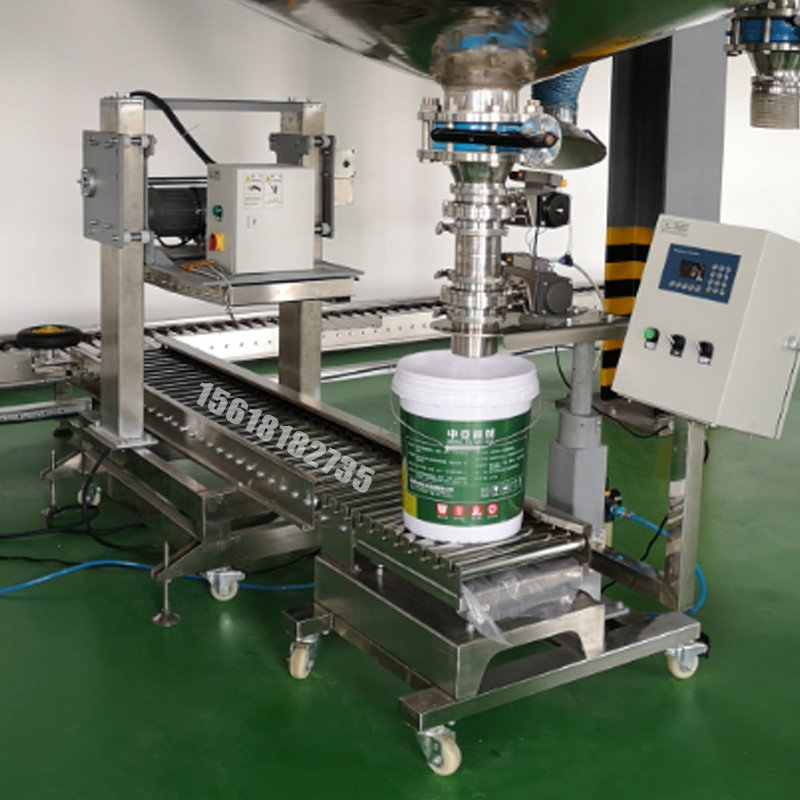
For mass liquid manufacturing, linear filling machines often suffer from intermittent operation, low throughput, and frequent start-stop errors that limit daily output. Linear fillers struggle to meet high-volume market demands for bottled water, soft drinks, and household liquids, creating production bottlenecks for large factories. This original Google E-E-A-T optimized SEO article focuses exclusively on rotary filling machines, a continuous high-speed filling technology never covered in our previous equipment guides. Featuring circular rotary operation and multi-head synchronous filling, this industrial system delivers uninterrupted, high-efficiency packaging for standardized liquid products. This 1000-word guide explains its working principle, core advantages, technical drawbacks, industrial applications, and professional purchasing advice for large-scale global manufacturing plants.
Large-batch liquid production requires stable, non-stop operation that conventional linear filling systems cannot provide. Linear fillers process bottles in fixed batches, with mandatory pauses for container repositioning and cycle resetting, greatly reducing overall production efficiency. These intermittent workflows also cause minor filling inconsistencies and increased material waste during repeated startup phases. Rotary filling machines completely resolve these industrial pain points. Adopting a rotating turntable structure with multiple evenly distributed filling heads, it achieves synchronous container transmission and continuous filling. It maintains stable high-speed operation around the clock, making it the mainstream core equipment for modern large-scale standardized liquid packaging lines.
Working Principle of Rotary Filling Machines
Rotary filling machines adopt circular continuous filling mechanics, with an operating principle fundamentally different from intermittent linear filling systems. Core components include a precision rotating turntable, multi-station filling heads, automatic bottle clamping fixtures, synchronous conveyor systems, and PLC centralized synchronization control units. Every station operates independently and cooperatively to form a seamless production loop.
During formal operation, empty bottles are automatically conveyed into the rotary turntable and firmly fixed by positioning fixtures to avoid offset or shaking. As the turntable rotates steadily, each filling head aligns with containers one by one to complete quantitative filling, sealing, and detection procedures. While one group of bottles finishes filling and exits the rotary station, new empty containers automatically enter the working area. This cyclic rotating workflow eliminates idle time and startup gaps. All filling parameters, including speed, volume, and rotation frequency, are digitally synchronized to ensure every bottle receives identical filling treatment, realizing zero-interval continuous mass production.
Core Advantages Over Linear Filling Systems
Professional rotary continuous filling technology delivers exclusive strengths for large-scale industrial production:
Ultra-High Production Throughput. Uninterrupted cyclic operation eliminates batch pause time, boosting production capacity several times higher than traditional linear filling machines for mass output demands.
Superior Batch Consistency. Synchronized multi-station operation and stable rotary movement eliminate start-stop errors, ensuring uniform filling volume, liquid level, and packaging quality across all products.
Stable Long-Term Operation. Smooth circular movement reduces mechanical vibration and component wear, lowering failure rates and extending equipment service life compared with frequent linear reciprocating motion.
Optimized Workshop Layout. Compact circular structure saves floor space compared with long linear production lines, facilitating streamlined workshop planning and automated line integration.
Seamless Automation Integration. It perfectly connects with upstream bottle sorting systems and downstream capping, labeling, and packaging machines to form a fully automated unmanned production line.
Key Industrial Application Scenarios
Rotary filling machines are professionally customized for high-output standardized liquid industries:
Beverage Mass Production: Mineral water, carbonated drinks, fruit beverages, and tea drinks, supporting millions of bottles of daily production for large beverage factories.
Daily Chemical Industry: Bottled hand sanitizer, shampoo, detergent, and floral water for standardized mass consumer goods packaging.
Medical Liquid Industry: Disinfectant liquid, sterile purified water, and medical care solutions for large-batch hygienic production.
Industrial Liquid Manufacturing: Standardized industrial cleaning fluids, diluted solvents, and auxiliary liquids requiring stable high-volume output.
Technical Limitations & Selection Guidelines
Rotary filling machines have obvious application boundaries. They are designed for single or few fixed product specifications, with inconvenient parameter switching for frequent multi-SKU small-batch production. The equipment has higher procurement costs and requires professional routine maintenance. It is the best choice for large factories focusing on single-product mass production, while small-batch diversified production is more suitable for flexible linear filling equipment.
Common Industry Misconceptions
Many buyers assume multi-station rotary equipment has higher error rates. In fact, unified PLC synchronous calibration ensures consistent precision for all stations. Others worry complex structures lead to difficult maintenance, but modular station design allows independent inspection and repair without halting the entire production line.
Conclusion
Rotary filling machines fill the market gap in high-efficiency continuous mass liquid packaging, solving low throughput and unstable batch quality of traditional linear filling equipment. With ultra-high continuous production capacity, excellent batch consistency, compact layout, and seamless automated integration, it provides a mature and reliable solution for large-scale standardized liquid manufacturing. For industrial enterprises pursuing large output, stable long-term operation, and unmanned intelligent production lines, rotary filling machines are the most cost-effective and industry-recognized core packaging equipment.


