

Vacuum Filling Machine: Vacuum Suction Filler for Foamy, Thin Liquid & Oxygen-Sensitive Products
2026-08-17 08:34:11
admin
14
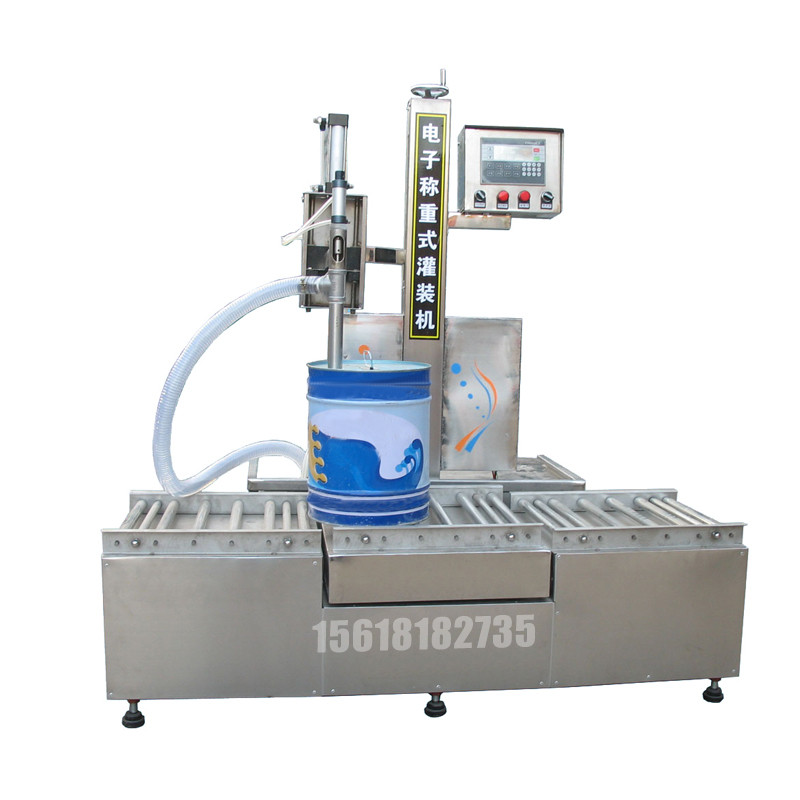
Most conventional filling machines struggle with foamy, bubble-prone, and oxygen-sensitive thin liquids, causing overflow, inaccurate volumes, oxidized products, and messy production lines. Gravity fillers generate excessive foam during fast feeding, while pressure fillers introduce extra air turbulence that degrades delicate formulas. This original Google E-E-A-T compliant SEO article focuses exclusively on vacuum filling machines, a specialized negative-pressure filling technology never featured in our previous equipment guides. By creating controlled vacuum environments inside containers, this filler delivers clean, foam-free, oxygen-isolated filling for ultra-thin liquids easily damaged by air exposure. This 1000-word guide covers its working principle, core advantages, limitations, industrial applications, and expert buying tips for global beverage, cosmetic, and chemical manufacturers.
Thin liquid production faces unique packaging obstacles that standard fillers cannot resolve. Alcohol-based solutions, essential oils, light detergents, and herbal extracts produce heavy foam during ordinary filling, leading to underfilled bottles, material waste, and inconsistent batch levels. Worse, prolonged air contact oxidizes sensitive ingredients, shortening shelf life and altering product flavor or efficacy. Many factories sacrifice speed for quality or adopt manual defoaming steps that lower productivity. Vacuum filling machines eliminate these pain points entirely. Using negative-pressure suction filling, they suppress foam formation, isolate oxygen contamination, and ensure precise volume consistency, becoming the optimal solution for bubble-prone and oxidation-vulnerable thin-liquid packaging.
Working Principle of Vacuum Filling Machines
Vacuum filling machines operate on negative-pressure suction principles, adopting a working mechanism fundamentally different from gravity, pressure, or pump-driven filling systems. Core components include a vacuum pump, sealed filling chamber, anti-foam nozzles, vacuum pressure sensors, and PLC pressure stabilization control system. The entire filling process occurs under stable negative pressure to eliminate air interference.
Before filling, the machine seals empty bottle mouths tightly and extracts internal air to form a preset negative vacuum environment. With lower air pressure inside the container, external atmospheric pressure pushes thin liquid materials steadily into the bottle through dedicated pipelines. The vacuum system maintains balanced pressure throughout feeding to prevent liquid agitation and bubble generation. Once the liquid reaches the calibrated fill level, the system releases vacuum pressure instantly to stop suction feeding. Residual liquid in nozzles is retracted automatically to eliminate dripping. This air-isolated workflow ensures zero foam, zero splashing, and minimal oxygen contact for every filled bottle.
Core Advantages Over Traditional Fillers
Professional vacuum negative-pressure filling technology provides irreplaceable strengths for delicate thin-liquid production:
Complete Foam-Free Filling. Vacuum environment suppresses bubble generation thoroughly, solving overflow and underfilling issues caused by foaming, greatly improving finished product yield and reducing material waste.
Effective Oxygen Isolation. Pre-filling air extraction minimizes liquid oxidation, protecting active ingredients, stabilizing product properties, and extending the shelf life of oxygen-sensitive products.
Superior Level Consistency. Pressure-balanced suction filling ensures uniform liquid levels across all bottles, enhancing retail shelf aesthetics and brand batch standardization.
Clean & Tidy Operation. No splashing or residual dripping keeps bottle mouths clean, eliminating sticky residue and secondary contamination in mass production.
High-Speed Stable Output. Eliminating manual defoaming procedures streamlines production workflows, achieving faster continuous operation than conventional thin-liquid filling lines.
Key Industrial Application Scenarios
Vacuum filling machines are specialized for bubble-prone and oxidation-sensitive thin-liquid industries:
Perfume & Aromatherapy Industry: Pure essential oils, floral perfumes, and aromatic liquids, preserving fragrance purity and preventing oxidative flavor deterioration.
Medical & Disinfectant Industry: Medical alcohol, disinfectant liquids, and antibacterial solutions, realizing clean and stable sterile filling.
Beverage & Herbal Drink Industry: Light herbal teas, floral beverages, and diluted fruit essences, avoiding foam overflow and ingredient oxidation.
Fine Chemical Industry: Light solvent solutions, fragrance additives, and industrial thinning liquids, ensuring safe and standardized bubble-free packaging.
Technical Limitations & Selection Guidelines
Vacuum filling machines have distinct application boundaries. They are exclusively designed for low-viscosity free-flowing liquids and cannot process pastes, oils, suspensions, or high-density fluids. Excessively volatile liquids require customized vacuum pressure adjustment to avoid over-evaporation. Manufacturers should prioritize vacuum fillers for foamy and oxidation-sensitive thin liquids and choose alternative models for viscous materials.
Common Industry Misconceptions
Many buyers assume vacuum filling reduces filling accuracy. In fact, stabilized negative-pressure control delivers consistent level precision exceeding ordinary gravity filling. Others worry vacuum operation causes liquid volatilization, while adjustable pressure parameters effectively protect volatile ingredients for commercial production stability.
Conclusion
Vacuum filling machines fill the market gap for foam-free and anti-oxidation thin-liquid packaging, solving foaming overflow, liquid oxidation, and uneven batch levels of traditional filling equipment. With negative-pressure air isolation, zero-foam operation, stable batch consistency, and ingredient protection capabilities, it provides reliable high-quality packaging solutions for perfume, medical, and fine chemical manufacturers. For enterprises pursuing clean production, stable product efficacy, and premium retail presentation, vacuum filling machines are the most professional and cost-effective automated filling investment.


