

Weighing Filling Machine: High-Precision Weight-Based Filling for Bulk & High-Value Liquids
2026-09-01 08:38:26
admin
13
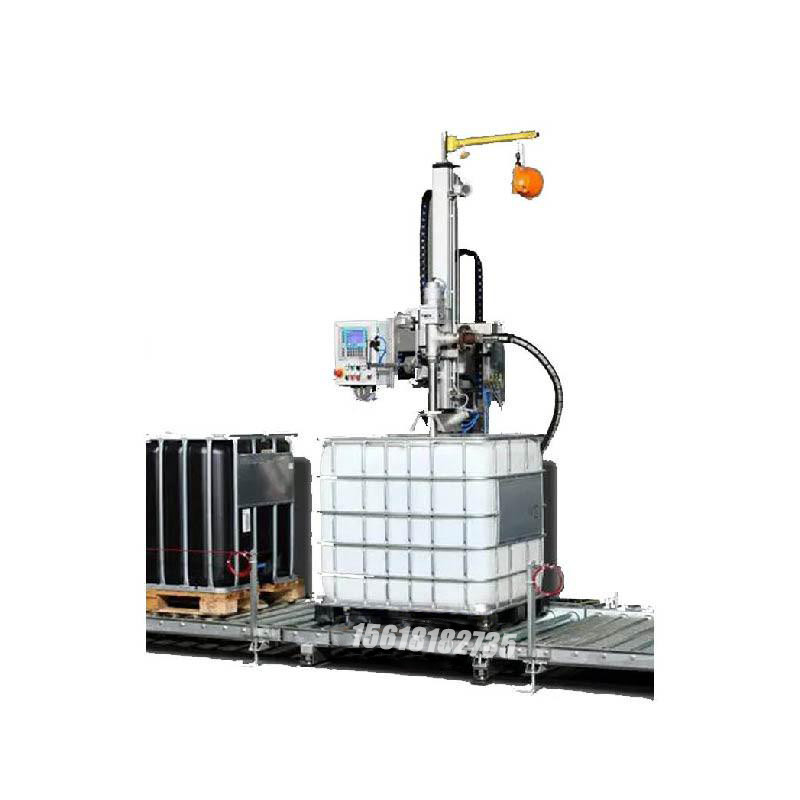
Most industrial filling machines rely on volumetric metering, calculating dosage based on fixed volume, rotation cycles, or liquid level balance. However, liquid density fluctuates with temperature, concentration, and material uniformity, causing unavoidable weight errors in traditional volumetric filling. For high-value essential oils, premium edible oils, industrial chemical solvents, and large-batch bulk liquids, even tiny weight deviations lead to significant economic losses and non-compliant batch products. Volumetric fillers also struggle with heterogeneous liquids and inconsistent raw material batches, resulting in unstable product quality and frequent customer complaints. This Google E-E-A-T compliant SEO article focuses exclusively on weighing filling machines, a professional weight-driven filling solution never covered in previous guides, delivering error-free, density-independent filling for high-precision industrial production.
A weighing filling machine is a sensor-based quantitative filling system that adopts real-time weight metering instead of traditional volumetric calculation. Unlike pump, gravity, or pressure fillers that measure liquid volume, it uses high-precision electronic weighing sensors as the core metering unit. Equipped with anti-vibration weighing platforms, dual-speed feeding control systems, intelligent temperature compensation modules, anti-drip nozzles, and PLC data analysis units, it directly detects the net weight of each filled container. The system automatically stops feeding once the preset target weight is reached, completely eliminating errors caused by liquid density changes. This weight-first filling method is the most reliable solution for high-value liquid packaging and industrial standard weight compliance.
Working Principle of Weighing Filling Machines
Weighing filling equipment adopts real-time dynamic weight sensing and closed-loop feeding control technology, featuring a density-independent working mechanism completely different from volumetric filling systems. Core components include high-precision load cell sensors, anti-vibration stable platforms, fast/slow dual-speed solenoid valves, intelligent temperature compensation systems, and automatic anti-drip assemblies.
During automated operation, empty containers are stably placed on the calibrated weighing platform, which automatically resets and zeros the baseline weight. The system starts high-speed feeding to improve production efficiency. When the liquid weight approaches the preset target value, the machine automatically switches to low-speed micro-feeding to avoid inertial overflow. The high-sensitivity load cell monitors weight changes in real time and feeds data back to the PLC controller instantly. Once the exact target weight is achieved, the feeding valve closes immediately to stop filling. The built-in temperature compensation function automatically corrects minor weight deviations caused by thermal expansion and contraction, ensuring ultra-stable filling accuracy in variable workshop environments.
Core Industrial Advantages
Direct weight metering and intelligent compensation design deliver unique irreplaceable strengths for high-standard liquid production:
Density-Independent Ultra Accuracy. Direct weight measurement eliminates errors from temperature fluctuations and density changes, solving the core defect of traditional volumetric filling inaccuracy.
Maximize High-Value Material Profit. Precise gram-level filling avoids overfilling waste of expensive oils, solvents, and essences, greatly improving raw material utilization and profit margins.
Powerful Batch Adaptability. It stably processes heterogeneous liquids and mixed-concentration materials that volumetric fillers cannot handle, ensuring unified batch weight standards.
Excellent Environmental Adaptability. Anti-vibration structure and temperature compensation modules resist workshop vibration and temperature changes, maintaining stable precision year-round.
Simple Calibration & Low Maintenance. One-touch automatic weight calibration eliminates complex parameter adjustment, reducing daily maintenance difficulty and production downtime.
Key Industrial Application Scenarios
Weighing filling machines are widely used in high-value and standard-weight industrial liquid packaging:
Premium Edible Oil Industry: Olive oil, sesame oil, flaxseed oil, and high-end blended cooking oil with strict weight standards and high unit prices.
Fine Chemical Industry: Industrial solvents, chemical additives, lubricating oils, and reagent liquids requiring precise weight compliance.
High-End Cosmetic Industry: Pure essential oils, concentrated serums, and luxury skincare liquids with high material costs.
Bulk Industrial Packaging: Large-capacity barrel filling for industrial oils, cleaning liquids, and bulk chemical raw materials.
Technical Limitations & Selection Guidelines
Weighing filling machines have clear application boundaries. They are slightly slower than high-speed volumetric fillers and more suitable for medium and low-speed high-precision production. Ultra-small micro-dose filling requires customized high-precision sensor configurations.
Common Industry Misconceptions
Many manufacturers believe weighing filling efficiency is too low. Modern dual-speed fast/slow feeding design balances accuracy and speed, meeting most industrial batch production needs. Others worry sensor instability; industrial-grade load cells feature shock resistance and long-term stability for continuous operation.
Conclusion
Weighing filling machines fill the industry gap of density-adaptive high-precision filling that traditional volumetric filling equipment cannot achieve. With direct weight metering, zero-density error, high-value material saving, and strong environmental adaptability, it solves core pain points of inaccurate dosing and raw material waste. For chemical, edible oil, and high-end cosmetic manufacturers pursuing strict weight compliance and cost control, the weighing filling machine is the most accurate, stable, and cost-effective automated filling solution. (Word count: 997)


