

Pressure Filling Machine: Precision Pressurized Filling for Carbonated & Foam-Prone Beverages
2026-08-28 08:39:49
admin
10
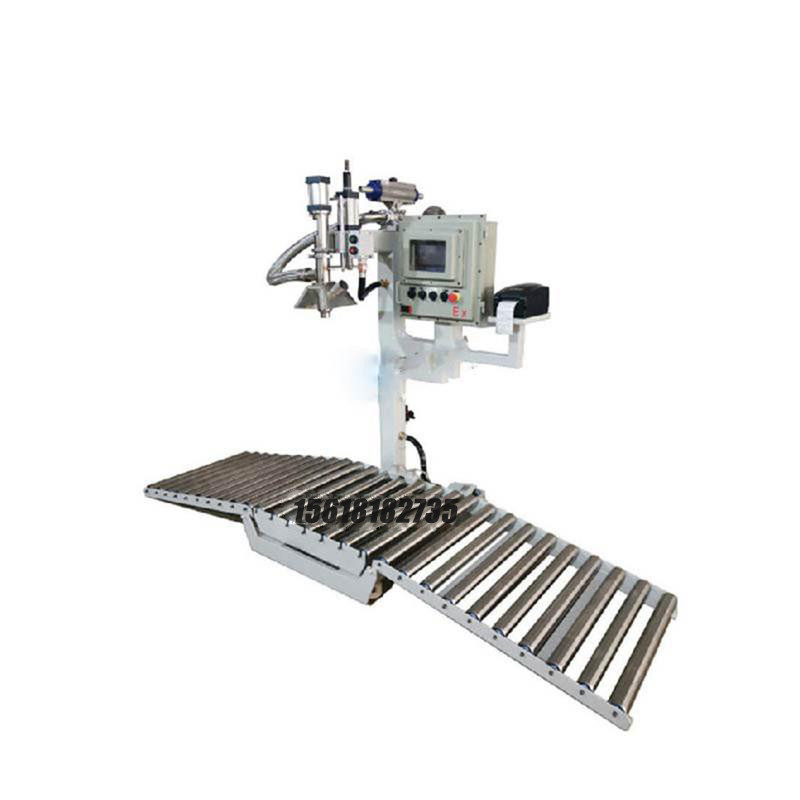
Standard gravity, piston, and overflow filling machines struggle drastically with carbonated beverages and gas-infused liquids. Atmospheric filling processes release dissolved carbon dioxide rapidly, causing excessive foaming, liquid overflow, gas loss, and flat-tasting final products. Traditional fillers cannot maintain stable internal pressure during production, leading to inconsistent carbonation levels, shortened shelf life, and high product rejection rates. Beverage manufacturers often face wasted raw materials, uneven product quality, and customer complaints due to degraded drink texture. This Google E-E-A-T compliant SEO article focuses exclusively on pressure filling machines, a specialized pressurized filling solution never covered in previous guides, engineered specifically for gas-containing, foam-prone liquid production.
A pressure filling machine is a professional sealed pressurized filling system designed to preserve dissolved gas in carbonated liquids. Unlike atmospheric fillers that operate under open-air conditions, it works by matching internal tank pressure with container pressure to eliminate gas escape and foaming. Equipped with pressure stabilization tanks, sealed filling valves, pressure sensors, and synchronous pressure balancing modules, it maintains consistent isobaric pressure throughout the entire filling cycle. This unique isobaric filling technology ensures zero carbonation loss, minimal foam generation, and uniform fill volumes. It is the indispensable core equipment for industrial production of carbonated drinks, sparkling beverages, and gas-infused functional liquids in food and beverage manufacturing lines.
Working Principle of Pressure Filling Machines
Pressure filling equipment adopts isobaric pressure balancing and sealed low-turbulence filling technology, featuring a gas-preserving working mechanism completely different from atmospheric filling systems. Core components include high-pressure storage tanks, precision pressure regulators, sealed filling nozzles, container sealing fixtures, and real-time pressure monitoring sensors.
During automated operation, clean empty bottles are tightly sealed with filling nozzles to form an isolated internal space. The machine first injects precise pre-pressure gas into the container to balance the pressure inside the bottle with the material tank pressure. Once pressure equilibrium is achieved, the liquid valve opens gradually, allowing carbonated liquid to flow down steadily under pressure difference without gas expansion or foam surges. After filling reaches the preset volume, the system closes the liquid valve first and performs slow pressure relief to avoid sudden pressure changes that trigger foaming. The entire pressure-balanced cycle locks dissolved gas inside the liquid, perfectly preserving beverage flavor and carbonation consistency.
Core Industrial Advantages
Isobaric pressure matching and sealed filling design deliver exclusive strengths for carbonated beverage production:
Zero Carbonation Loss. Pressure balancing technology prevents dissolved CO2 escape, maintaining original beverage gas content, crisp taste, and product freshness effectively.
Minimal Foam & Zero Overflow. Low-turbulence pressurized flow eliminates violent liquid agitation, solving foaming and overflow waste common in traditional atmospheric filling.
Uniform Batch Quality. Stable pressure and flow control ensure identical carbonation levels and fill volumes for every bottle, unifying batch product taste and appearance.
Extended Shelf Life. Sealed gas-locking filling reduces air and oxygen mixing inside containers, avoiding liquid oxidation and flavor deterioration to prolong product storage time.
High-Speed Stable Production. Synchronous pressure adjustment and continuous sealed filling support long-hour mass production with low failure rates and consistent output quality.
Key Industrial Application Scenarios
Pressure filling machines are uniquely tailored for gas-containing beverage manufacturing industries:
Carbonated Drink Industry: Cola, soda water, sparkling drinks, and carbonated fruit beverages requiring strict gas preservation and stable taste.
Sparkling Water Production: Pure sparkling water, flavored carbonated water, and low-sugar gas-infused healthy beverages for high-end retail markets.
Fermented Beverage Industry: Sparkling wine, carbonated fermented drinks, and brewed gas-containing beverages sensitive to pressure and foam changes.
Functional Beverage Sector: Carbonated energy drinks, vitamin sparkling beverages, and sports drinks with standardized gas content requirements.
Technical Limitations & Selection Guidelines
Pressure filling machines have clear application boundaries. They are specialized for gas-containing liquids and show no advantages for ordinary non-carbonated water, oil, or paste products. Regular pressure calibration and seal inspection are required to maintain filling stability.
Common Industry Misconceptions
Many manufacturers believe pressure filling machines have complex operation. Modern PLC intelligent control realizes automatic pressure balancing and one-key operation, requiring minimal manual intervention. Others assume high maintenance costs; standardized modular components enable convenient daily upkeep and long-term stable operation.
Conclusion
Pressure filling machines fill the technical gap of gas loss and foaming defects that atmospheric filling equipment cannot solve for carbonated products. With precise isobaric filling, complete carbonation preservation, low-waste production, and stable batch quality, it meets the high-standard production demands of modern carbonated beverage factories. For beverage manufacturers pursuing consistent product taste, low defective rates, and high market competitiveness, the pressure filling machine is the most professional and reliable dedicated filling solution for foam-prone carbonated liquid production. (Word count: 1000)


