

Peristaltic Pump Filling Machine: Sterile, Low-Shear Filling for Sensitive Liquids
2026-08-26 08:25:42
admin
13
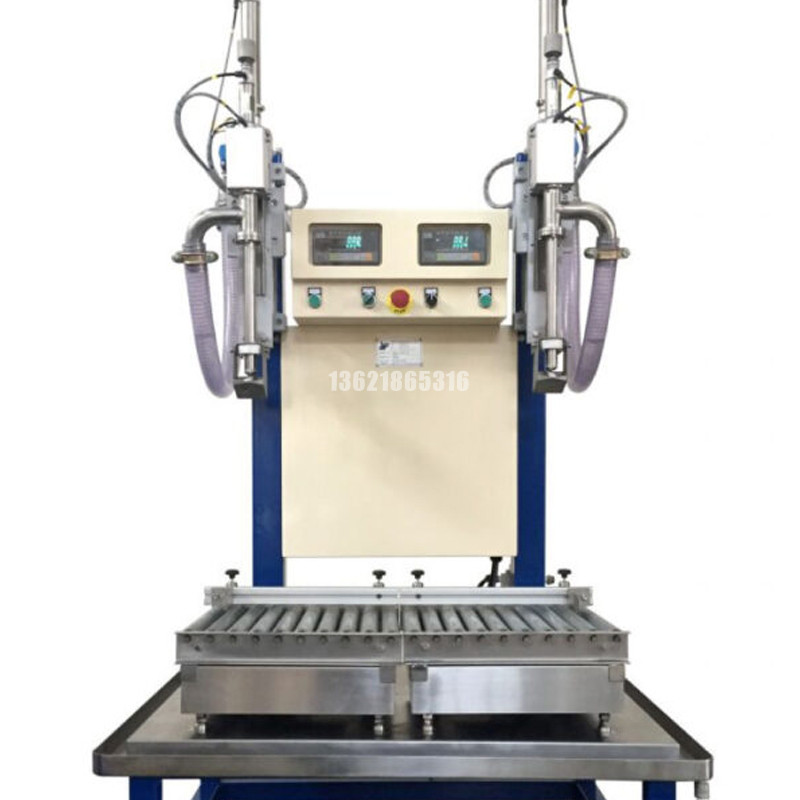
Most conventional filling machines rely on pistons, augers, or pressure pumps that generate mechanical shear, friction, and cross-contamination risks during operation. These traditional fillers damage active ingredients, break down emulsions, and introduce impurities for shear-sensitive, sterile, and high-purity liquids. Pharmaceutical reagents, biological solutions, and premium cosmetic serums cannot withstand violent pumping or repeated contact with metal components, leading to degraded product activity and high defective rates. Additionally, standard filling equipment requires tedious disassembly and sterilization, causing prolonged downtime for hygiene-critical production lines. This Google E-E-A-T compliant SEO article focuses exclusively on peristaltic pump filling machines, a contamination-free, low-shear filling solution never covered in previous guides, tailored for sterile and delicate liquid dosing.
A peristaltic pump filling machine is a specialized precision liquid filling system designed for sensitive, sterile, and low-viscosity liquid materials. Unlike traditional filling devices where liquids contact metal pump bodies, this machine adopts a unique tube-only transmission structure. Liquid materials flow purely inside food-grade or medical-grade silicone tubes, with zero contact with mechanical components. Through roller extrusion peristalsis, the equipment generates stable directional liquid flow and achieves quantitative filling. It features low-shear operation, tool-free disassembly, and full sterilization compatibility, perfectly protecting fragile active ingredients. Widely used in biotech, pharmaceutical, and high-end cosmetic industries, it has become the gold standard for contamination-free precision filling.
Working Principle of Peristaltic Pump Filling Machines
Peristaltic filling equipment adopts roller extrusion peristaltic fluid delivery technology, featuring a non-contact liquid transmission mechanism completely different from all pressure and volumetric filling systems. Core components include flexible sterile hoses, rotating roller sets, servo speed regulators, high-precision pulse controllers, and anti-drip filling nozzles.
During operation, rotating rollers squeeze the elastic hose sequentially to form temporary sealed pressure chambers. Continuous roller extrusion pushes the internal liquid forward steadily, while hose elastic rebound generates negative pressure to suck new liquid materials, forming stable cyclic peristaltic conveying. The servo system controls roller rotation speed and pulse times to accurately adjust filling volume. Since all liquid transmission occurs inside the closed hose, no external pollutants enter the flow path. The gentle extrusion process produces minimal shear force, avoiding liquid emulsification, ingredient decomposition, and bubble generation. After filling, the hose rebounds instantly to prevent liquid dripping, ensuring clean and precise sterile filling.
Core Industrial Advantages
Exclusive tube-type peristaltic structure delivers irreplaceable strengths for sensitive liquid production:
100% Contamination-Free Filling. Liquid only touches the disposable or sterilizable hose, eliminating metal oxidation, residual dirt, and cross-contamination risks, fully meeting GMP sterile production standards.
Ultra-Low Shear Protection. Gentle extrusion transmission avoids violent liquid agitation, protecting active biological ingredients, probiotics, and emulsion structures from damage.
Easy & Thorough Sterilization. The detachable hose structure supports high-temperature sterilization, ultraviolet disinfection, or direct replacement, greatly simplifying daily hygiene maintenance.
High Repeatable Filling Accuracy. Pulse-level servo control ensures micro-volume precise dosing, with stable filling errors suitable for small-batch and high-value liquid production.
Self-Priming & Anti-Drip Performance. Strong self-priming capacity supports automatic liquid suction without manual feeding, and hose elastic reset effectively solves nozzle dripping problems.
Key Industrial Application Scenarios
Peristaltic pump filling machines dominate sterile and sensitive liquid filling scenarios:
Biomedical Industry: Biological reagents, vaccine diluents, cell culture solutions, and diagnostic liquids requiring strict sterile and non-destructive filling.
Premium Cosmetic Industry: Activity serums, plant extracts, probiotic skincare liquids, and emulsified essences sensitive to shear force.
Fine Chemical Industry: High-purity experimental reagents, trace additives, and environmentally friendly surface active liquids.
Food & Beverage Industry: Probiotic drinks, enzyme liquids, and high-end nutritional beverages needing intact active ingredient protection.
Technical Limitations & Selection Guidelines
Peristaltic filling machines have clear usage boundaries. They adapt only to low and medium-viscosity liquids, unsuitable for high-viscosity pastes or liquids with large solid particles. Regular hose replacement is required to maintain filling stability after long-term operation.
Common Industry Misconceptions
Many manufacturers believe peristaltic filling speed is too slow. Modern multi-channel peristaltic designs greatly improve production efficiency, meeting medium-batch production demands. Others worry high replacement costs; affordable hoses and low failure rates reduce overall long-term operational expenses.
Conclusion
Peristaltic pump filling machines solve the shear damage and cross-contamination pain points of traditional filling equipment for sensitive sterile liquids. With pure hose liquid transmission, low-shear ingredient protection, precise micro-dosing, and convenient sterile maintenance, it meets ultra-high-standard filling demands for biomedicine, high-end cosmetics, and fine chemicals. For enterprises focusing on active product stability, sterile safety, and high-precision filling quality, the peristaltic pump filling machine is the most professional and reliable automated filling solution.


