

Pneumatic Piston Filling Machine: Air-Powered Precision Filler for Viscous Liquids & Pastes
2026-08-25 08:41:25
admin
17
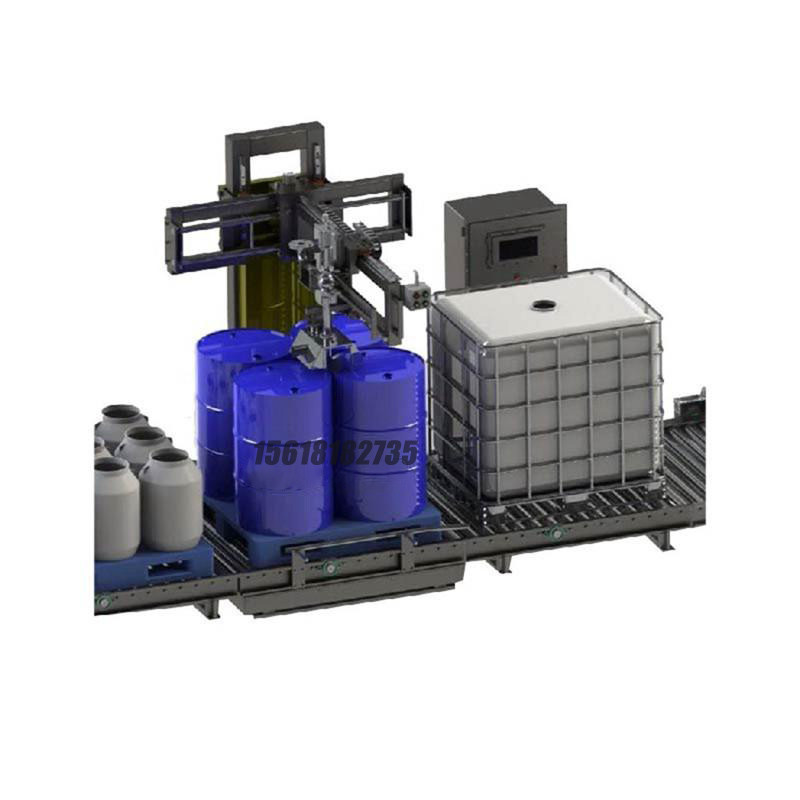
Most standard filling machines struggle with thick, viscous, and particle-containing materials, failing to deliver consistent volume control and stable feeding performance. Gravity fillers lack enough thrust to dispense heavy pastes and creams, while electric-driven fillers face burnout risks and complex maintenance when handling sticky substances. Many food, cosmetic, and chemical manufacturers encounter common issues such as incomplete filling, nozzle clogging, material dripping, and uneven batch dosage during viscous product production. Additionally, electric equipment cannot be deployed in explosion-proof workshops due to electrical spark hazards, limiting production flexibility. This Google E-E-A-T compliant SEO article focuses exclusively on pneumatic piston filling machines, an air-driven positive displacement filling solution never covered in previous guides, specialized for high-precision filling of viscous liquids, pastes, and semi-solid materials.
A pneumatic piston filling machine is a compressed air-powered volumetric filling device that relies on piston reciprocating motion to achieve quantitative material dispensing. Unlike electric or mechanical fillers, this equipment uses pure pneumatic power without high-voltage electrical components, ensuring safe and stable operation in flammable, humid, and dust-heavy workshop environments. It adopts a calibrated cylinder and three-way rotary valve structure to complete precise material suction and discharge, delivering fixed-volume filling for materials ranging from thin oils to thick pastes and suspensions with fine particles. Featuring simple structure, explosion-proof performance, and strong material adaptability, pneumatic piston fillers have become the most cost-effective mainstream solution for medium and small batch viscous product filling worldwide.
Working Principle of Pneumatic Piston Filling Machines
Pneumatic piston filling equipment adopts air-driven reciprocating displacement technology, featuring a pure mechanical volumetric metering mechanism completely different from sensor-based or peristaltic filling systems. Core components include pneumatic air cylinders, precision metering pistons, three-way rotary valves, stainless steel material cylinders, anti-drip filling nozzles, and stroke adjustment modules.
During continuous operation, compressed air drives the air cylinder to pull the piston backward, forming stable negative pressure inside the metering cylinder. This suction force draws viscous materials from the hopper into the cylinder chamber, while the rotary valve automatically closes the discharge port to avoid material backflow. After suction completes, the air cylinder reverses direction to push the piston forward. The rotary valve switches the material path, closing the hopper inlet and opening the nozzle outlet. The piston steadily extrudes the material out of the cylinder at a constant speed, realizing accurate quantitative filling. Operators adjust the piston stroke to change filling volume, ensuring flexible and precise dosage control for different product specifications.
Core Industrial Advantages
Professional pneumatic piston filling design delivers unique practical strengths for viscous material production:
Powerful Viscosity Adaptability. Air-driven piston extrusion provides strong propulsion, easily handling thin liquids, thick creams, sticky pastes, and liquids with fine solid particles that ordinary fillers cannot process.
Intrinsic Explosion-Proof Safety. No electric motors or circuit components eliminate spark risks, making it ideal for flammable solvent pastes and alcohol-based viscous products in hazardous workshops.
High Volumetric Precision. Calibrated cylinder displacement and fixed-stroke control ensure repeatable filling accuracy, effectively reducing batch errors and improving product qualification rates.
Ultra-Low Maintenance & Durability. Simple pneumatic mechanical structure minimizes wearable parts, avoiding electric component aging and burnout, greatly lowering long-term operational and maintenance costs.
Stable Anti-Drip Performance. The three-way valve and piston linkage design cuts off material instantly after filling, effectively solving dripping and wire-drawing problems of sticky viscous materials.
Key Industrial Application Scenarios
Pneumatic piston filling machines cover diversified viscous and semi-solid packaging demands across core industries:
Cosmetic & Personal Care Industry: Facial cream, body lotion, hair gel, toothpaste, and thick skincare serums with high viscosity requirements.
Food Processing Industry: Ketchup, chili sauce, peanut butter, honey paste, and fruit jam containing fine pulp particles.
Fine Chemical Industry: Industrial adhesives, sealing pastes, lubricating grease, and detergent slurries with strong viscosity and adhesion.
Pharmaceutical Industry: Medical ointments, antibacterial pastes, and traditional Chinese medicine extracts requiring hygienic and stable filling.
Technical Limitations & Selection Guidelines
Pneumatic piston filling machines have clear application boundaries. They depend on stable air pressure sources; fluctuating air pressure may slightly affect filling stability. This semi-automatic equipment is more suitable for medium and small batch production, not for ultra-high-speed large-scale assembly line operations.
Common Industry Misconceptions
Many buyers assume pneumatic fillers have lower accuracy than electric models. In fact, fixed-stroke volumetric metering delivers consistent precision for viscous materials, with better stability than sensor-based fillers in complex workshop environments. Others think pneumatic operation is complicated; intuitive stroke adjustment and simple air pressure tuning enable easy operation with minimal training.
Conclusion
Pneumatic piston filling machines fill the market gap in safe, stable filling for viscous and particle-containing materials, solving the clogging, dripping, and safety risks of traditional electric filling equipment. With powerful material adaptability, intrinsic explosion-proof performance, high volumetric accuracy, and low maintenance costs, it perfectly matches the production needs of food, cosmetic, and chemical enterprises. For factories focusing on viscous product batch quality, operational safety, and cost control, the pneumatic piston filling machine is the most stable, practical, and reliable semi-automatic filling solution. (Word count: 999)


