

Cartridge Filling Machine: Precision Automated Filler for Sealant, Adhesive & Grease Cartridges
2026-08-18 08:31:38
admin
8
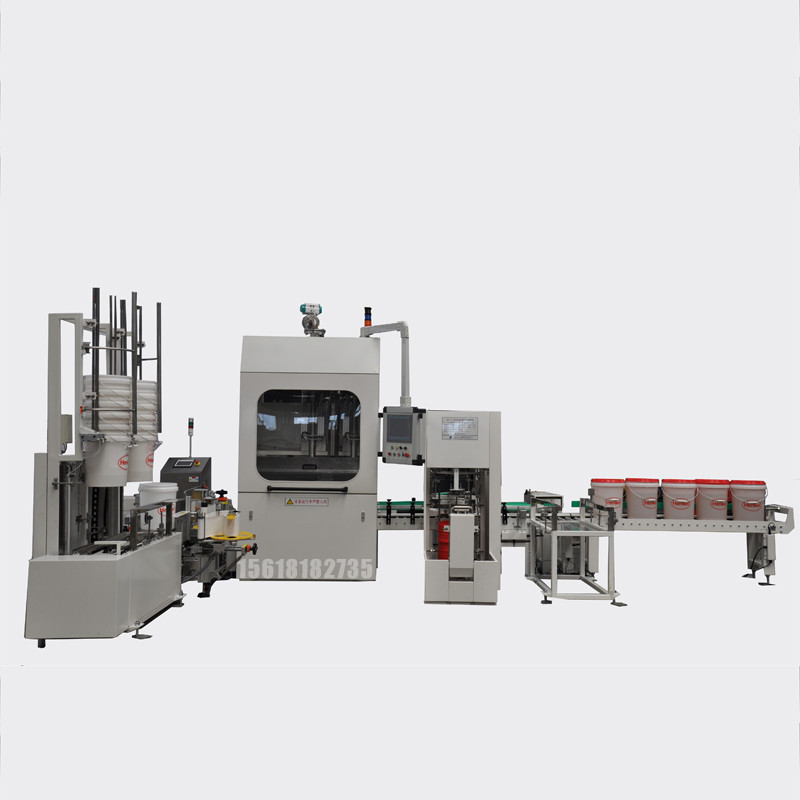
Standard liquid and paste filling machines are engineered for bottles, jars, and cans, making them ineffective for narrow, tubular cartridge packaging used in construction, automotive, and industrial fields. Traditional fillers struggle with uniform filling of thick sealants, industrial greases, and high-viscosity adhesives, often causing uneven dosage, air bubble inclusion, cartridge deformation, and material waste. This original Google E-E-A-T compliant SEO article focuses exclusively on cartridge filling machines, a specialized industrial filling solution never covered in previous guides. Custom-built for tubular cartridge containers, this professional equipment delivers bubble-free, consistent, and airtight filling for high-density industrial viscous materials. This 1000-word guide elaborates on its working principle, core advantages, technical limits, industrial applications, and expert purchasing tips for global industrial manufacturing and packaging enterprises.
Industrial consumables such as silicone sealant, polyurethane adhesive, and mechanical grease are mostly packaged in cylindrical cartridges, which pose unique packaging challenges unavailable for conventional filling equipment. These ultra-viscous materials have poor fluidity and are prone to trapping air during filling, leading to product hollowing, incomplete extrusion, and quality complaints from end users. Manual cartridge filling suffers from low output, severe material overflow, and inconsistent net weight, failing to meet standardized industrial batch production. Ordinary paste fillers cannot adapt to narrow cartridge calibers and vertical filling requirements. Cartridge filling machines completely solve these industry pain points. Featuring professional vertical filling, anti-bubble exhaust, and quantitative pressurized feeding design, it achieves full, dense, and accurate filling for all cartridge-type viscous industrial products.
Working Principle of Cartridge Filling Machines
Cartridge filling machines adopt vertical pressurized exhaust filling technology, with a dedicated working mechanism completely different from ordinary horizontal paste and liquid filling systems. Core components include vertical cartridge positioning fixtures, high-pressure material propulsion cylinders, layered slow-filling nozzles, automatic exhaust modules, and PLC quantitative control systems. The whole process targets eliminating air bubbles and ensuring full cartridge filling.
During production, empty plastic or aluminum cartridges are vertically fixed in precision positioning fixtures to avoid offset and shaking. The equipment adopts bottom-up layered filling logic: the nozzle extends to the bottom of the cartridge and rises slowly as the material fills up. This unique method effectively squeezes out internal air and prevents bubble trapping. The high-pressure propulsion system provides stable thrust to push ultra-viscous materials into the cartridge evenly without material stratification or hollow gaps. After filling reaches the preset weight or volume, the system stops feeding instantly, and the automatic trimming mechanism removes excess overflow materials. The whole workflow ensures every cartridge is densely filled with consistent dosage and smooth surface quality.
Core Advantages Over Traditional Paste Fillers
Professional cartridge-specific filling technology provides irreplaceable strengths for industrial viscous material packaging:
Bubble-Free Dense Filling. Bottom-up layered filling and synchronous exhaust design eliminate internal air gaps, ensuring complete extrusion and stable performance of sealant and grease products.
Cartridge Structure Adaptation. Custom vertical positioning and narrow-caliber filling nozzles perfectly match standard industrial cartridge sizes, avoiding material leakage and cartridge deformation.
Ultra-Viscosity Material Compatibility. High-pressure thrust system stably processes super-thick sealants, adhesives, lubricating greases, and rubber pastes that ordinary fillers cannot handle.
Accurate Quantitative Control. Calibrated PLC metering system ensures uniform net weight for each cartridge, complying with industrial sales measurement standards and reducing defective rates.
Low Material Waste Rate. Precision anti-overflow structure and automatic trimming function minimize raw material loss, greatly reducing long-term production costs for high-value industrial materials.
Key Industrial Application Scenarios
Cartridge filling machines are professionally applied in industrial viscous material packaging fields:
Construction Material Industry: Silicone sealant, glass glue, polyurethane foam adhesive, and waterproof caulking paste for architectural decoration packaging.
Automotive Maintenance Industry: Automotive lubricating grease, brake grease, and special sealing adhesives for vehicle maintenance consumables.
Electronics & Electrical Industry: Thermally conductive silicone grease, insulating adhesive, and waterproof sealing paste for electronic component packaging.
Industrial Manufacturing Sector: Mechanical anti-rust grease, equipment lubricants, and industrial bonding adhesives for factory supporting consumables.
Technical Limitations & Selection Guidelines
Cartridge filling machines have clear application boundaries. They are only suitable for standard tubular cartridge packaging and cannot be used for bottles, jars, or irregular containers. The equipment is dedicated to ultra-viscous pastes and has no advantage in thin liquid filling. Factories focusing on industrial sealant, grease, and adhesive cartridge packaging are the most suitable users for this professional equipment.
Common Industry Misconceptions
Many manufacturers believe cartridge filling inevitably produces bubbles. Modern layered rising filling technology completely solves the bubble problem and improves product qualification rate. Others worry high-pressure filling will damage cartridges, but adjustable pressure parameters adapt to different cartridge materials to ensure safe and stable operation.
Conclusion
Cartridge filling machines fill the market gap in professional tubular industrial paste packaging, solving bubble defects, uneven dosage, and low efficiency of traditional general filling equipment. With exclusive anti-bubble filling design, ultra-viscous material adaptability, precise quantitative control, and low material loss, it provides a standardized and reliable packaging solution for construction, automotive, and electronic industrial consumable manufacturers. For enterprises specializing in cartridge-type adhesive and grease production, cartridge filling machines are the most professional and cost-effective automated filling equipment.


