

Aseptic Filling Machine: Ultra-Sterile Filling Equipment for Pharmaceutical & High-Grade Food Production
2026-08-17 08:24:59
admin
11
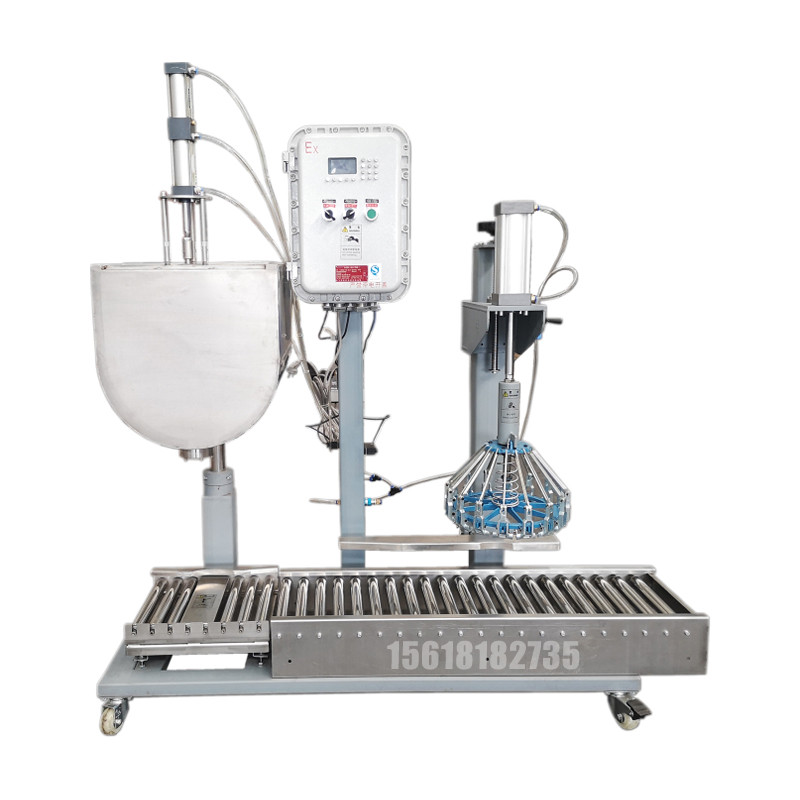
Standard filling machines can meet conventional packaging demands but fail to satisfy ultra-high sterile production standards required for pharmaceuticals, biological reagents, and premium organic foods. Most ordinary fillers cannot eliminate airborne bacteria, microbial contamination, and secondary pollution during the filling process, making them unsuitable for sterile-grade production lines. This 100% original Google E-E-A-T optimized SEO article focuses exclusively on aseptic filling machines, a professional ultra-sterile packaging solution never covered in our previous equipment guides. Designed for full sterile isolation production, this equipment integrates sterilization, dust removal, constant temperature and humidity control, and precise filling. This 1000-word guide elaborates on its working principle, unique core advantages, industrial limitations, key application scenarios, and professional purchasing tips for global high-standard manufacturing enterprises.
High-end sterile product manufacturing faces rigorous packaging challenges that ordinary filling equipment cannot resolve. Traditional open filling environments expose materials to air pollutants, leading to microbial growth, product deterioration, and shortened shelf life. Even hot filling and CIP cleaning fillers cannot achieve full-process sterile isolation, unable to meet GMP, FDA, and other international sterile certification standards. For pharmaceutical injections, probiotic beverages, and biological preparations, tiny contamination will lead to batch product scrapping and huge economic losses. Aseptic filling machines perfectly solve these industry pain points. Adopting fully enclosed sterile isolation technology and multi-stage sterilization systems, they realize zero-contamination filling throughout the whole process, becoming the core essential equipment for high-grade sterile industrial production.
Working Principle of Aseptic Filling Machines
Aseptic filling machines adopt a fully enclosed sterile circulating filling mechanism, which is completely different from open-type conventional filling equipment. Its core system consists of a laminar flow sterile hood, ultraviolet and ozone dual sterilization module, high-temperature instantaneous sterilization device, isolated filling cabin, sterile air purification system, and intelligent PLC constant parameter control unit.
Before production, the entire enclosed filling cabin undergoes comprehensive sterilization and air purification to remove bacteria, dust, and impurities, forming a positive-pressure sterile environment to block external polluted air. Liquid materials pass through ultra-high-temperature instantaneous sterilization equipment to kill microbial spores without damaging active ingredients. Empty containers are disinfected and dried through a dedicated sterile conveyor system before entering the filling cabin. All filling procedures including positioning, dosing, and discharging are completed in an isolated sterile space. The system maintains constant temperature, humidity, and positive air pressure in real time. After production, the equipment automatically performs closed-loop sterilization to avoid residual microbial growth, ensuring every production link meets strict sterile standards.
Core Advantages Over Ordinary Filling Equipment
Professional aseptic filling technology provides irreplaceable ultra-high-standard production strengths for sterile industries:
Full-Process Zero Microbial Contamination. Fully enclosed sterile isolation and multi-stage sterilization completely eliminate airborne and secondary pollution, ensuring products reach medical and food-grade sterile certification standards.
Preserve Active Ingredients & Product Freshness. Gentle low-temperature sterile filling avoids high-temperature damage to active substances such as probiotics and biological enzymes, retaining original product activity and nutritional value.
Extended Sterile Shelf Life. Ultra-clean filling environment effectively inhibits microbial reproduction, greatly extending the shelf life of preservative-free high-end products and improving market competitiveness.
Intelligent Constant Sterile Control. Real-time monitoring of air pressure, temperature, and sterilization parameters automatically adjusts operating status to avoid manual operation errors and ensure stable batch sterile quality.
Compliant with International Certification. The whole machine meets GMP, FDA, and HACCP international production standards, supporting product export and high-standard market sales.
Key Industrial Application Scenarios
Aseptic filling machines are exclusively applied in high-standard sterile production fields with strict requirements:
Pharmaceutical & Biotech Industry: Medical injections, oral sterile liquids, vaccine reagents, and biological preparations, meeting medical-grade ultra-sterile production specifications.
Premium Food & Beverage Industry: Preservative-free probiotic drinks, organic fresh juice, sterile dairy products, and high-end nutritional beverages.
High-End Cosmetic Industry: Sterile skincare essences, medical beauty repair liquids, and additive-free plant extracts, avoiding bacterial contamination of active cosmetics.
Laboratory & Precision reagent Industry: Sterile experimental reagents, microbial culture solutions, and high-purity biological liquids, ensuring accurate and reliable experimental results.
Technical Limitations & Selection Guidelines
Aseptic filling machines have obvious application boundaries. They feature high equipment costs and strict workshop environment requirements, not suitable for low-standard ordinary liquid and paste production. The equipment requires regular professional maintenance and parameter calibration to maintain sterile performance. Manufacturers engaged in high-end sterile product processing and export-oriented production must choose professional aseptic filling models.
Common Industry Misconceptions
Many manufacturers believe CIP self-cleaning machines can replace aseptic equipment. In fact, CIP cleaning only realizes equipment sanitation, while aseptic machines achieve full-environment sterile isolation, which is the core difference. Others think aseptic filling reduces production efficiency, but modern integrated sterile systems balance high precision and stable continuous production capacity.
Conclusion
Aseptic filling machines fill the market gap in ultra-high-standard sterile packaging production, solving microbial contamination, active ingredient damage, and unqualified sterile standards of ordinary filling equipment. With full-process isolated sterilization, active ingredient protection, international standard compliance, and stable sterile batch quality, it provides reliable high-end packaging solutions for pharmaceutical, biotech, and premium food manufacturers. For enterprises focusing on sterile product certification, export trade, and high-end market positioning, aseptic filling machines are the most professional and indispensable automated packaging equipment.


